3 January, 2025 14:55:22 IST
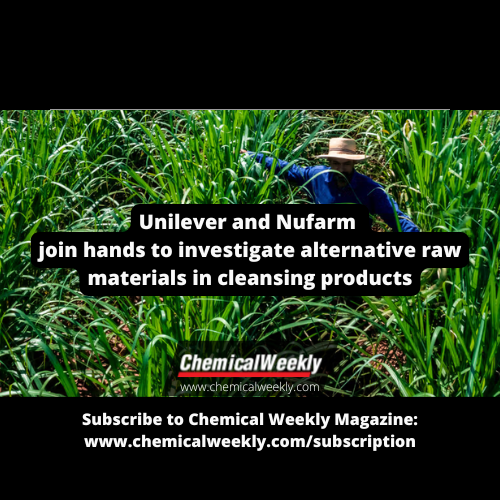
Global FMCG giant, Unilever, and Australian agrochemicals firm, Nufarm, have announced a partnership which enables the technical development and future commercialisation of a ‘crop of the future’. The project aims to cultivate crops with significant biomass to produce sustainable oils. The oil will be a source of fatty acids – a core base ingredient for Unilever’s laundry detergents and beauty & personal care products.
Typically, plant oils like sunflower and canola oil are produced in the seeds and fruits; the breakthrough of this technology is that the ‘biomass oil’ (an oil derived from plant material, including the leaves and stems) will be produced using the entire plant, in crops like cane and sorghum.
Nufarm has previously developed and commercialised a variety of sugar cane called energy cane, a sustainable crop which generates significantly more plant matter and sugar than traditional sugar cane. The multi-million Euro investment from Unilever will use recent breakthroughs in biotechnology to develop a new, commercially viable variety of energy cane that can also produce biomass oil.
The ultimate ambition of the partnership is to optimise and cultivate the new crop, which when grown at scale, could contribute to Unilever’s greenhouse gas (GHG) emission reduction ambitions in ingredient sourcing, aligning with the ambition to reach net zero emissions by 2039 across its value chain.
The goal of this technology for Unilever is to reduce its reliance on petrochemical-based ingredients, and it is expected to be the first time a biomass crop will be optimised to produce the plant-based oil, which if successfully grown at scale, will be used as an ingredient in consumer goods products.
As well as being more robust, the aim is for no parts of the crop to go to waste. In addition to biomass oil, the crop will also continue to produce sugar, which could be used in other biotechnology processes to generate speciality ingredients such as fragrances, enzymes, and cleaning ingredients used across Unilever’s portfolio. Other uses of the crop could include using the remaining plant fibre for paper and board in packaging as well as for renewable energy production.
Raw materials and ingredients account for approximately 52% of Unilever’s GHG emissions in scope of its net zero ambition and represent the largest emissions source. This partnership is one way in which Unilever is utilising biotechnology to advance sustainable sourcing of critical raw materials.