
 19 December, 2025 16:43:44 IST
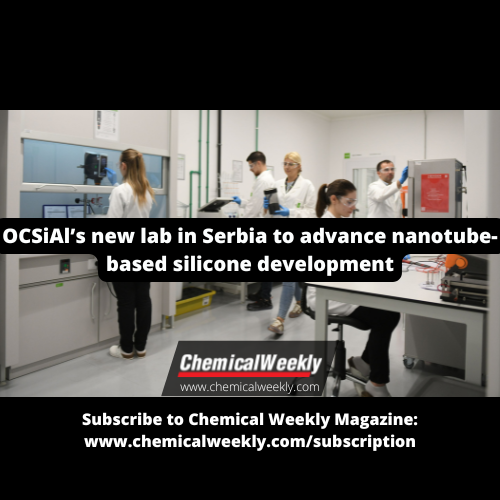
Luxembourg-based graphene nanotube maker, OCSiAl, has opened a new silicone laboratory in Serbia featuring the complete innovation chain from formulation to pilot production to accelerate nanotube-based silicone development.
The lab will feature liquid silicone rubber (LSR) and room-temperature-vulcanising (RTV) systems and a new product line for silicones.
The silicone laboratory is fully equipped for formulation, curing, moulding, and electrical testing for advanced elastomer systems based on graphene nanotubes. The facility supports chemical producers developing rubber and silicone materials for automotive and industrial markets, where long-term stability, process reliability, and added functionality are becoming core formulation requirements rather than optional features.
OCSiAl’s said its graphene nanotubes enable a new class of conductive, durable, flexible silicones - from EV components to wearable sensors and antistatic robotic parts - delivering performance that traditional fillers can’t match.
In the silicone industry, graphene nanotubes make it possible to create materials that are permanently conductive while still being flexible, soft, and coloured as silicone should be - a combination long considered incompatible. In automotive applications, this means unlocking the whole conductive spectrum, from antistatic to EMI-shielding silicones that maintain elasticity and durability even under extreme mechanical and thermal stress. Beyond mobility, robotics benefit from antistatic protection granted by graphene nanotubes, ensuring consistent precision in sensitive components, such as silicone finger prostheses compatible with touchscreens, featuring electrical resistance between 5 and 200 Ω - without skin contamination and without releasing carbon onto the surface. Wearable and wellness devices gain reliable conductivity and comfort, enabling accurate, real-time body data monitoring.
In April this year, OCSiAl, had opened its first European production facility in Serbiam to produce the Tuball branded nanotubes and nanotube-based products. The facility has the capacity to produce 60 tonnes of graphene nanotubes per year, with plans to double production by launching a second synthesis unit within a year’s time. OCSiAl’s strategic plans are focused on further expansion of production across the globe, including the construction of a production facility in Luxembourg as the next step.