
 30 June, 2026 16:23:07 IST
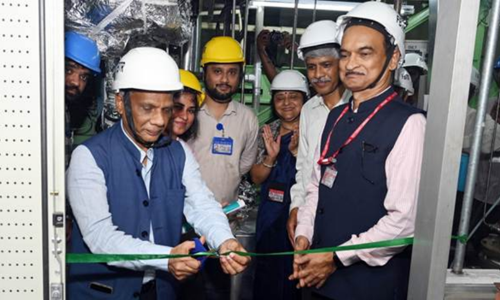
India has commissioned the world’s first hydrogen production facility based on the copper-chlorine thermochemical cycle using nuclear process heat, with the Department of Atomic Energy (DAE) inaugurating the plant at the Indira Gandhi Centre for Atomic Research in Kalpakkam, Tamil Nadu, on 26 June.
The facility draws high‑temperature heat from the Fast Breeder Test Reactor to produce hydrogen through an indigenously developed copper-chlorine (Cu-Cl) process engineered by the Bhabha Atomic Research Centre (BARC) in Mumbai.
The technology demonstrator was inaugurated by Mr. Ajit Kumar Mohanty, Secretary, DAE and Chairman, Atomic Energy Commission (AEC), in the presence of Mr. Sreekumar Pillai, Director, Indira Gandhi Centre for Atomic Research (IGCAR).
The Cu-Cl cycle splits water into hydrogen and oxygen using nuclear heat rather than electricity‑based electrolysis, marking a significant technological breakthrough for large‑scale, carbon‑free hydrogen production. Globally, the cycle is regarded as a promising pathway due to its lower operating temperatures and higher thermodynamic efficiency, and by harnessing nuclear heat from fast reactors, the process eliminates greenhouse‑gas emissions associated with conventional hydrogen production.