25 August, 2026 16:34:08 IST
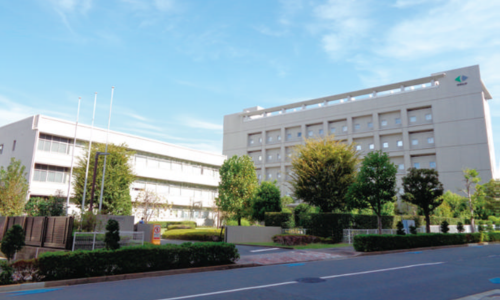
Japan’s Nippon Chemical Industrial is expanding production of high-purity red phosphorus at its Fukushima No. 2 Factory in Tamura-gun, Fukushima, by approximately 60% compared with current levels. The expansion is scheduled for completion in fiscal 2027, with operations expected to begin within the same fiscal year, the company said.
High-purity red phosphorus is used as a semiconductor dopant material and as a raw material for indium phosphide-based compound semiconductors used in optical communication applications, the company said. The demand for higher-speed and larger-capacity information communications has continued to grow amid the widespread adoption of generative AI and the expansion of AI data centres. Indium phosphide-based compound semiconductors are used in optical transmitter and receiver devices supporting high-speed optical communications, with medium- to long-term demand growth also expected for high-purity red phosphorus as a key raw material, the company said.
Nippon Chemical said it produces high-purity red phosphorus at a purity level of 99.9999%, leveraging its proprietary integrated manufacturing technology centred on phosphine-related processes, together with purification technologies, quality control expertise and manufacturing know-how developed over many years, and has supplied the product to customers in Japan and overseas for many years.
Barium titanate capacity expansion
In another development, Nippon Chemical said it has decided to expand production facilities for barium titanate at its Fukushima No. 1 Factory in Koriyama City, Fukushima Prefecture, in order to strengthen supply capacity and meet growing demand in the high-performance multilayer ceramic capacitor market, particularly for AI data centre applications. The expansion is scheduled for completion in fiscal 2027, with operations expected to begin within the same fiscal year, the company said.
Barium titanate is used as a dielectric material for multilayer ceramic capacitors. The company noted that demand for high-performance MLCCs used in AI servers, high-speed networking equipment and related electronic devices has been increasing worldwide amid the adoption of generative AI and expansion of the AI data centre market, with AI server-related applications expected to be a key driver of continued growth in the MLCC market.
The company said it has developed proprietary technological capabilities in fine-particle synthesis and particle size control through years of research and development in barium titanate materials, and has been expanding adoption of its high-performance MLCC products, including those for AI servers, among customers in Japan and overseas. As a result of the expansion, Nippon Chemical said its capability to meet demand for AI server-related applications within its electronic ceramic materials business, including both barium titanate and the high-purity barium carbonate used to produce it, is expected to increase by approximately 1.5 times compared with current levels.