
 26 May, 2026 17:02:11 IST

Gurugram-based biofertiliser and biopesticide firm, IPL Biologicals Ltd., has inaugurated the first phase of its cGMP-compliant biological manufacturing facility in Vadodara, Gujarat — a Rs. 200-crore investment that forms part of a broader Rs. 400-crore expansion plan funded entirely by the promoters.
Phase-I commissions a 50-kl/day production facility, with around 60% of output earmarked for biofertilisers and the rest for biopesticides. Phase-II will double capacity to 100-kl/day.
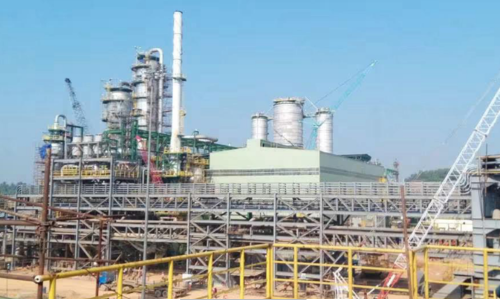
Spread across 12 acres with a built-up area of 2-lakh square feet, the new plant runs a fully automated production line with near-zero human intervention and SCADA-controlled real-time process monitoring. It operates a Zero-Liquid-Discharge system that recycles all wastewater and generates 500-KW of captive solar power. The facility is ISO 9001:2015 and OHSAS-compliant and holds IMO, Indocert, and OMRI organic certifications — positioning its products for export markets.
Mr. Harsh Vardhan Bhagchandka, President of IPL Biologicals, said: “Prime Minister Modi’s call for up to a 50% reduction in chemical fertiliser usage is a civilisational imperative for our soil, our health, and our nation. This facility is IPL Biologicals’ direct response to that call. We are scaling our three decades of microbial innovation to provide India’s farmers with advanced, eco-friendly biological solutions that make sustainable agriculture a practical, profitable, and everyday reality.” He added the company may need eight to ten such plants in the future to meet demand at scale.
The company currently operates a fermentation facility in Uttarakhand and is now looking to aggressively expand exports, which accounted for around 2% of the company’s FY26 turnover of Rs. 285-crore.
Greater adoption of biofertilisers in place of imported chemical inputs would lower farmers’ input costs, ease the national fertiliser subsidy burden, and reduce India’s dependence on fertiliser imports, said Mr. Mahesh Bhagchandka, CMD of IPL Biologicals. He stressed that policy support from the government would be essential to drive adoption at scale.