13 December, 2024 15:52:21 IST
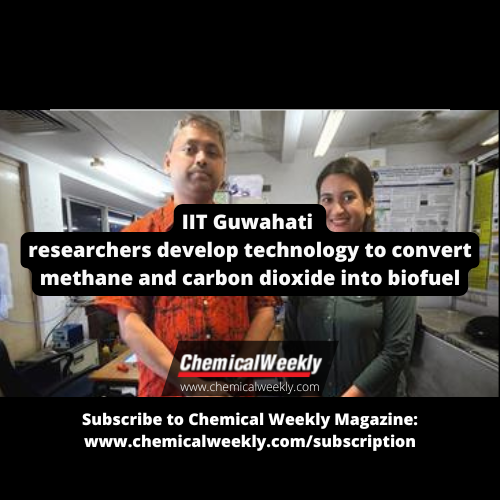
Researchers at the Indian Institute of Technology (IIT) Guwahati have developed an advanced biological method to convert methane and carbon dioxide into cleaner biofuels using methanotrophic bacteria.
The research, co-authored by Prof. Debasish Das and Dr. Krishna Kalyani Sahoo from the Department of Biosciences and Bioengineering at the institute, and published in Fuel, a journal by Elsevier, addresses two critical global challenges - the harmful environmental impact of greenhouse gases and the depletion of fossil fuel reserves.
“While turning methane and carbon dioxide into liquid fuels can reduce emissions and provide renewable energy, existing chemical methods are energy-intensive, expensive, and produce toxic by-products, limiting their scalability,” Prof Das said.
The researchers developed a fully biological process that uses a type of methanotrophic bacteria to convert methane and carbon dioxide into bio-methanol under mild operating conditions. “Unlike traditional chemical methods, this process eliminates the need for expensive catalysts, avoids toxic by-products, and operates in a more energy-efficient manner,” the professor said.
The researchers claimed that the method achieved upto 87 percent reduction in carbon monoxide, hydrocarbons, hydrogen sulphide and smoke emissions.
According to Prof. Das, this research is a breakthrough as it demonstrates that bio-methanol, derived from bacteria feeding on methane and carbon dioxide, can be a viable alternative to fossil fuels.
The two-stage process involves capturing methane to generate bacteria-based biomass and utilising the biomass to convert carbon dioxide into methanol.
He said, unlike conventional biofuels that rely on crops and create competition with food production, their method uses greenhouse gases, avoiding the ‘food vs fuel’ issue.
“The biological conversion of methane and carbon dioxide into bio-methanol not only provides a cleaner fuel alternative but also has industrial applications as a precursor for producing chemicals like formaldehyde and acetic acid. This process offers immense potential to decarbonise critical industries, including oil and gas, refineries, and chemical manufacturing, paving the way for a more sustainable future,” Prof. Das said.