
 24 April, 2026 17:21:09 IST
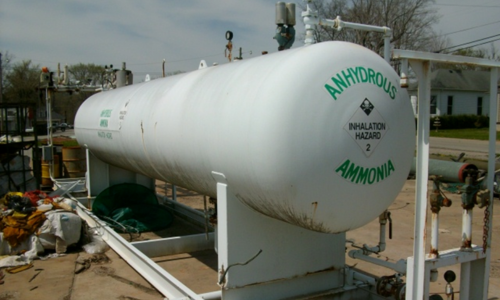
The Department of Fertilizers, under the Ministry of Chemicals and Fertilizers, has issued an advisory directing all urea manufacturing units to sell surplus ammonia strictly for fertiliser production, with priority supply mandated to “P&K/ NPK manufacturers of subsidised fertilisers at reasonable prices”.
The advisory, dated 18th April 2026, follows a gazette notification issued by the Ministry of Petroleum and Natural Gas on March 9, which requires that natural gas supplied to fertiliser plants be used exclusively for fertiliser production. The directive came after reports that some urea units had floated open tenders to sell surplus ammonia outside the fertiliser sector, while P&K producers were facing shortages and high prices.
The Ammonia Udyog Association, representing distributors of anhydrous ammonia, has filed a representation with the Department of Fertilizers flagging the wider consequences of the order. The Association points out that ammonia is a key input across critical end-use sectors like thermal power plants, cement & steel manufacturing, oil refineries, nuclear installations, pharmaceuticals, agrochemicals, and cold chain operations, among others. It argues that the quantity needed to sustain these sectors is “only 2% of total ammonia produced or imported in the country”, and that even a temporary disruption in supply could have huge consequences for national infrastructure, environmental compliance systems, life-saving drugs and other strategic sectors.
The Association has sought guidance on ensuring continued availability of ammonia for these critical sectors, while maintaining priority for fertiliser use and a clear framework to facilitate supply of limited quantities required for such essential applications.
The pharmaceutical industry, in particular, is quite alarmed by the order. Drugmakers rely on ammonia in the synthesis of a wide range of APIs, intermediates, and formulations. As per industry observers, the directive, if implemented in its current form, could disrupt domestic production, lead to medicine shortages, and affect India’s export commitments. Many pharmaceutical companies have been sourcing ammonia from urea plants for years and are said to have no immediate alternative if that supply channel were shut down.