10 July, 2026 15:10:39 IST
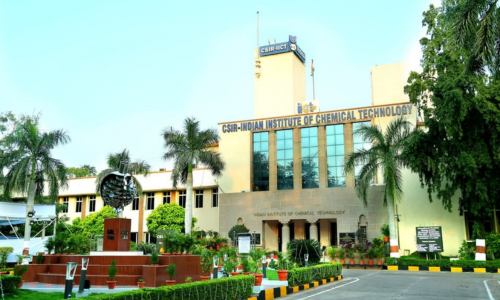
Hyderabad‑based CSIR‑Indian Institute of Chemical Technology (CSIR‑IICT) has developed India’s first indigenous process technology for manufacturing hydrofluoroolefins (HFOs) – the next‑generation, low‑GWP (Global Warming Potential) refrigerants set to replace high‑global‑warming hydrofluorocarbons (HFCs) in air‑conditioners, refrigerators and automotive cooling systems.
The laboratory‑scale process is now ready for technology transfer to industry, enabling domestic manufacturers to produce HFOs without relying on imported know‑how.
The technology platform covers HFO‑1234yf, globally regarded as one of the most promising alternatives to conventional refrigerants due to its zero ODP (Ozone Depleting Potential), very low GWP, short atmospheric lifetime, and improved environmental compatibility. IICT scientists emphasise that the process uses readily available raw materials, allowing Indian companies to scale production and supply next‑gen refrigerants to OEMs across cooling and automotive sectors.
IICT Director, Dr. D. Srinivasa Reddy, said the initiative strengthens India’s capability in advanced fluorochemical manufacturing and aligns with Atmanirbhar Bharat, import substitution, and national climate commitments. The technology was developed after several years of research.
Scientist Dr. Ravitej Singh highlighted the environmental advantage: while HFCs persist in the atmosphere for 13.8 years, HFOs degrade in about 11 days, significantly reducing climate impact. Although initial costs may be higher, the environmental benefits make HFOs critical for India’s refrigerant transition.
India ratified the Kigali Amendment in 2021, committing to a phasedown of HFCs beginning 2032, with cumulative reductions reaching 85% by 2047.