3 July, 2026 15:30:38 IST
German polymer materials firm, Covestro, is seeking to ramp up MDI (methylene diphenyl diisocyanate) production with new plans unveiled for China and UAE.
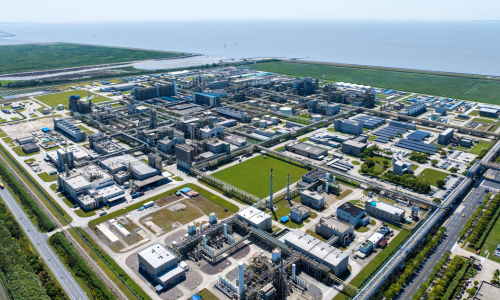
The newly announced investment programme includes preparations for a new MDI production train with 660 kilotonnes annual capacity at the Covestro Integrated Site Shanghai in China, with start-up targeted for the end of the decade. The company will also conduct a feasibility study for a plant of similar scale in the UAE.
The projects are supported by XRG, the investment arm of UAE’s energy giant ADNOC, which became a strategic investor in Covestro in 2025.
“This investment programme is a clear commitment to our customers and to our long-term growth in the MDI market,” said Dr. Markus Steilemann, Chief Executive Officer of Covestro. “We see strong and sustained demand, and at the same time increasing requirements for supply reliability. With these planned investments, we are strengthening our ability to serve our customers at scale while leveraging our technology and operational strengths.”
Long-term demand for MDI, a key raw material for polyurethane rigid foams, is expected to grow globally, driven by multiple applications – particularly in Asia and the Middle East. At the same time, demand growth is projected to outpace capacity additions, increasing the importance of reliable, large-scale supply. Covestro is one of the world’s leading MDI producers with production sites in Europe, Asia, and North America.
China plans
Covestro is preparing to expand its existing site in China with a new MDI production train. In addition to the main MDI unit, the investment includes upstream plants and supporting infrastructure to manufacture key intermediates on site, creating an integrated production setup. The facility will use the proprietary MDI AdiP technology, which significantly reduces energy consumption. Overall, the new MDI train is designed to operate with net-zero greenhouse gas emissions (Scope 1 & 2).
UAE plans
The feasibility study for a potential new MDI production facility in UAE will assess synergies within the emerging ecosystem in Al Ruwais Industrial City, building on the previously announced partnership with TA’ZIZ and Fertiglobe.
The assessment will consider access to energy from renewable sources and the integrated industrial platform of the TA’ZIZ chemicals hub, including reliable local supply of key raw materials such as chlorine and ammonia. A potential investment would build on the project blueprint from Shanghai.