
 27 June, 2025 16:37:15 IST
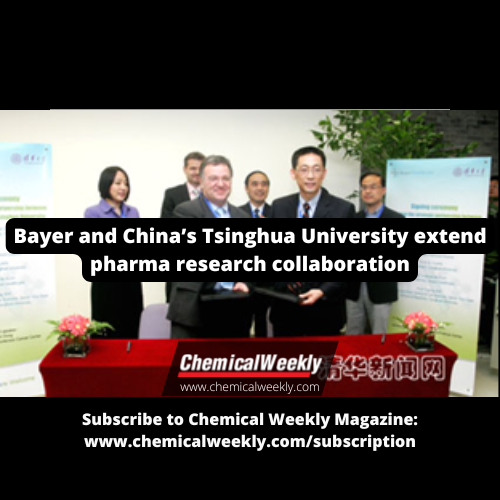
German pharma and chemicals firm, Bayer and China’s Tsinghua University (THU) are extending their research collaboration of 16 years by an additional three years, to further accelerate the translation of scientific research into drug discovery and development across the pharmaceutical value chain.
The extended agreement will focus on joint research projects targeting key therapeutic areas, such as oncology, cardiovascular and renal diseases, neurology and rare diseases, as well as immunology. Bayer will continue to provide funding and support for these projects, as well as for scientists at THU, in recognition of their research excellence in life sciences and pharmaceutical innovation. Financial details of the collaboration were not disclosed.
Established in 2009, this partnership has already resulted in over 70 joint research projects and more than 10 publications in top international academic journals. In 2022, Bayer and THU initiated the ‘Bayer Microfunding’ programme to further enhance the translation of early scientific research, with nine projects receiving funding support in the past three years.
“This collaboration has supported cutting-edge research targeting major global health challenges and has become a model for end-to-end cooperation between Chinese universities and international pharmaceutical companies. The signing of the sixth-phase agreement marks a significant milestone in our shared mission to accelerate the translation of basic research into impactful therapies,” said Mr. Hongwei Wang, Professor of School of Life Sciences and Vice-President of Tsinghua University, and the Bayer Endowed Chair 2018.
With more than 140 years of presence in China, Bayer continues to expand its innovation footprint. Bayer has established two global research & development (R&D) centres and four production facilities in China. More than 80% of Bayer’s major multi-centre clinical trials are conducted in China, covering both early and late-stage clinical development.