
 1 April, 2025 14:46:46 IST
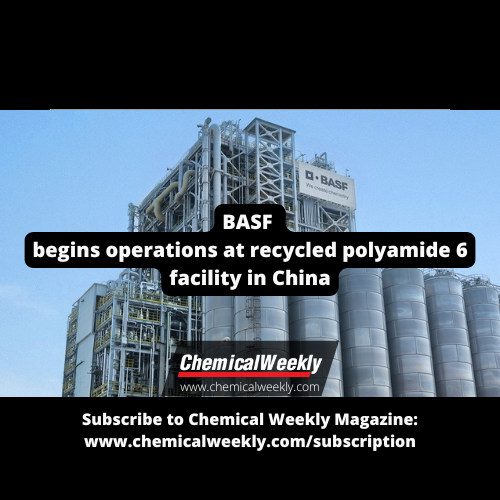
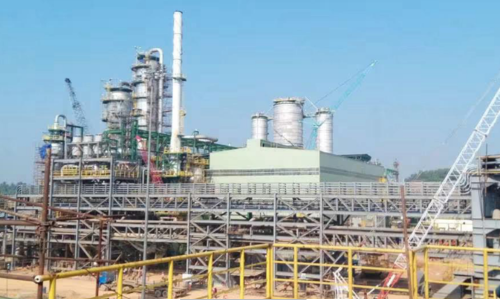
BASF has announced the start-up of a facility at its Caojing site in Shanghai, China, which will turn textile waste into a valuable resource, helping save raw materials and closing the textile loop
The plant will have an annual capacity of 500 metric tons of loopamid - a recycled polyamide 6 that is entirely based on textile waste.
The new facility will support the growing demand for sustainable polyamide 6 fibres in the textile industry.
“The technology behind loopamid allows textile-to-textile recycling for polyamide 6 in a wide variety of fabric blends, including those with elastane. I am convinced that loopamid not only makes a significant contribution to the textile circular economy, but also helps our customers achieve their sustainability goals,” said Mr. Ramkumar Dhruva, President of BASF’s Monomers division.
The plant as well as the quantities of loopamid produced are certified according to the Global Recycled Standard (GRS). This certification guarantees to consumers and textile manufacturers that loopamid is made from recycled materials and that the production processes comply with specific environmental and social criteria. In addition, first yarn manufacturers are successfully using loopamid.
To produce loopamid in its new plant, BASF currently utilises industrial textile waste from textile manufacturing and will gradually increase the share of post-consumer waste. This feedstock includes cutting scraps, defective cuts, offcuts and other production textile waste from the textile industry. These materials are collected and provided to BASF by customers and partners. End-of-life garments made from polyamide 6 and other textile products can also be utilised for the production of loopamid. All these waste materials are challenging to recycle because they typically consist of a mixture of different fibres and materials as well as dyes and additives.
Additionally, for post-consumer waste recycling, buttons, zippers and accessories must be removed in advance. BASF works closely with partners and customers to accelerate the development of collection and sorting systems.