
 24 July, 2026 15:35:42 IST
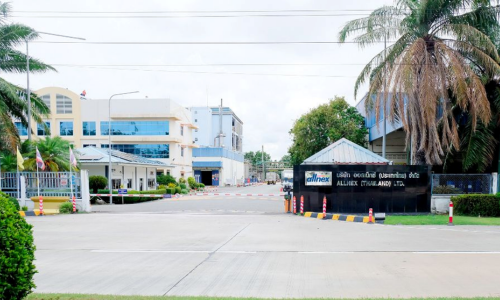
German industrial coatings resins maker, Allnex is to build its first Sag Control Agent (SCA) production facility in Asia-Pacific at its site in Rayong, Thailand. Operations at the new facility are scheduled to begin in January 2028.
A sag control agent is a chemical additive used in paints, coatings, and resins to stop the wet product from running or sliding down vertical surfaces. SCAs are a cornerstone technology within Allnex's automotive OEM portfolio. The resins impart sag control functionality that enables superior appearance in premium high-gloss clearcoats, helping coating manufacturers meet increasing demands for performance, efficiency, and sustainability.
Since Allnex first developed SCA resins four decades ago, production had been concentrated solely at its facility in Bergen op Zoom, the Netherlands. APAC has since emerged as the largest SCA market globally, with strong projected growth driven by rising car production and demand for improved appearance. The company said the investment would ensure adequate capacity is in place to meet future growth in the region.
Mr. Ruben Mannien, Senior Executive Vice President APAC, said the capacity investment reflected the company's commitment to supporting customer growth ambitions in Asia-Pacific, adding that localising SCA production in Thailand directly addressed customer needs for greater supply security, shorter lead times, and faster access to innovation.
The company said the Rayong site was selected following an evaluation of multiple locations across the region, offering existing infrastructure, technical capabilities, and proximity to key automotive manufacturing hubs including China, India, Korea, and Southeast Asia. The investment will include dedicated reactors for SCA resins used in both plastic automotive parts and metal car bodies.
Beyond improving supply resilience, the facility is expected to support Allnex's next-generation SCA innovations, including high-solid, low-bake, and more sustainable coating technologies aimed at improving customer productivity and reducing energy consumption.
Construction is expected to be completed by the end of 2027, ahead of anticipated market growth.